Do your allergy symptoms seem to worsen whenever you spend more time indoors? If you frequently experience sneezing, congestion, itchy eyes, coughing, or sinus discomfort at home, your HVAC system could be contributing to the problem.
Many homeowners focus on outdoor allergens such as pollen, grass, and seasonal changes, but they often overlook the impact of indoor air quality. Your HVAC system continuously circulates air throughout your home. When dust, pet dander, mold spores, pollen, and other contaminants build up inside the system, they can spread through every room whenever the heating or cooling system operates.
Over time, dirty air ducts, clogged filters, and neglected HVAC components can turn your ventilation system into a source of airborne allergens rather than a solution for cleaner air. This not only affects comfort but can also worsen allergy symptoms and reduce overall indoor air quality.
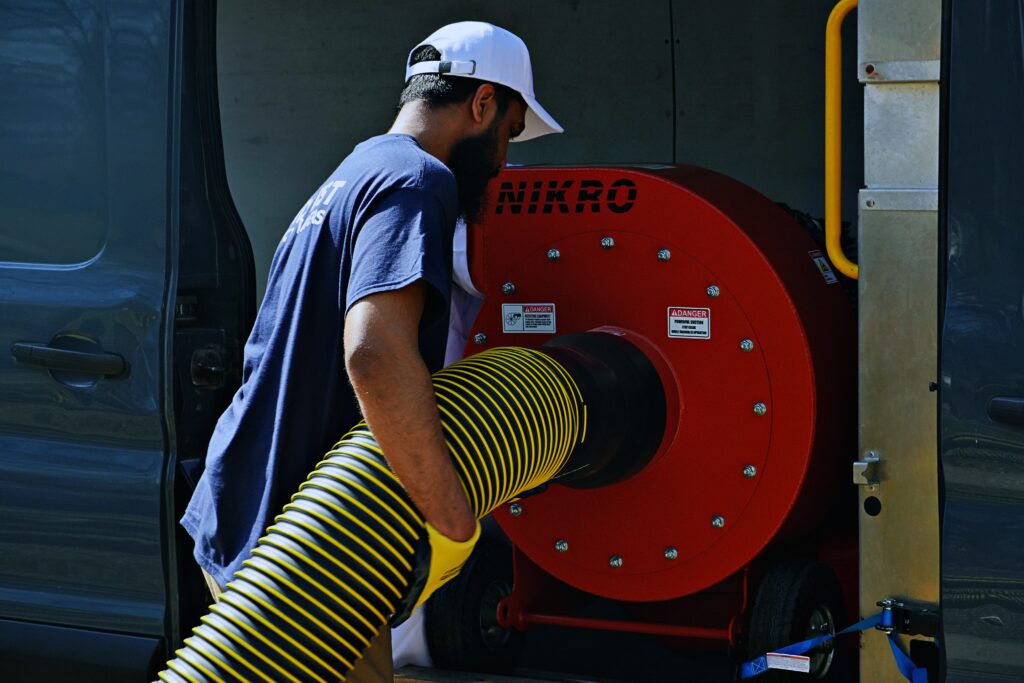
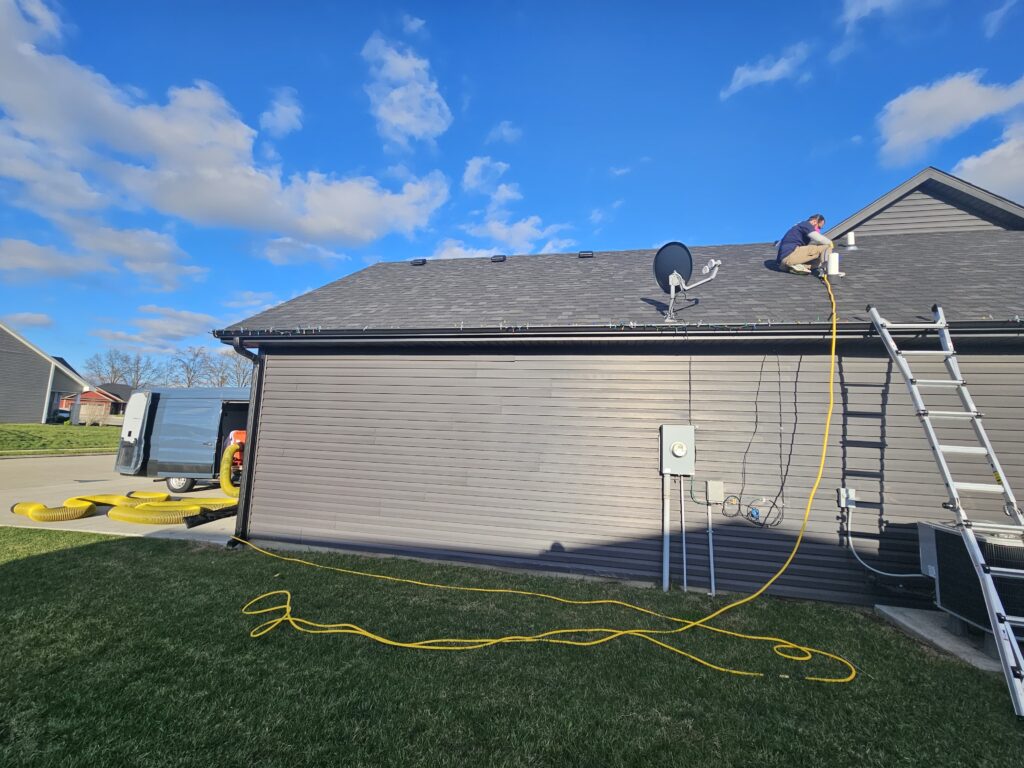
At Tiger Elite Duct Cleaners, we help homeowners create healthier indoor environments through professional air duct cleaning and HVAC maintenance services. Understanding how a dirty HVAC system impacts allergies is the first step toward improving the air you breathe every day.
How Does a Dirty HVAC System Make Allergies Worse?
Your HVAC system is designed to circulate conditioned air throughout your home. However, when contaminants accumulate inside the system, those particles are repeatedly distributed through vents and ductwork. This creates ongoing exposure to allergens that can trigger reactions in sensitive individuals.
Dust and Debris Accumulate Inside Air Ducts
Air ducts naturally collect dust and airborne particles over time. As your HVAC system runs, these contaminants can become airborne and circulate throughout your living spaces.
- Dust settles inside ductwork year after year.
- Airflow carries particles into bedrooms and living areas.
- Allergens continuously recirculate throughout the home.
- Indoor air quality gradually declines.
- Allergy symptoms may become more frequent and severe.
Dirty Air Filters Stop Capturing Allergens Effectively
Air filters play a crucial role in trapping pollutants before they enter your home’s airflow. When filters become clogged, they lose their ability to capture airborne contaminants efficiently.
- Dust and pollen pass through overloaded filters.
- Airflow becomes restricted throughout the system.
- HVAC equipment works harder to maintain comfort.
- More allergens enter occupied spaces.
- Indoor air quality decreases over time.
Mold Growth Can Develop Within HVAC Components
Moisture from condensation and humidity can create ideal conditions for mold growth within HVAC systems. Once mold develops, spores can spread through the ventilation system.
- Damp environments encourage mold formation.
- Mold spores circulate through air ducts.
- Respiratory irritation may increase.
- Allergy sufferers often experience stronger symptoms.
- Indoor air can develop unpleasant odors.
Pet Dander Continues to Circulate Through the System
Homes with pets often contain significant amounts of pet dander. These microscopic particles can become trapped inside ductwork and continue circulating long after routine cleaning.
- Pet allergens collect inside air ducts.
- Dander repeatedly enters indoor air.
- Sensitive individuals experience ongoing exposure.
- Allergy symptoms can occur throughout the year.
- Indoor pollutant levels continue to rise.
Common Signs Your HVAC System Is Affecting Your Allergies
Many homeowners do not realize their HVAC system may be contributing to health concerns. Recognizing the warning signs can help you address the problem before it becomes more serious.
Your Symptoms Improve When You Leave Home
One of the clearest indicators of poor indoor air quality is feeling better away from home. If symptoms improve outdoors or at work, your indoor environment may contain airborne irritants.
- Sneezing decreases outside the home.
- Nasal congestion becomes less severe.
- Breathing feels easier in other environments.
- Indoor allergens may be the root cause.
- HVAC contamination should be investigated.
Dust Quickly Returns After Cleaning
If dust reappears shortly after cleaning, your HVAC system may be circulating contaminants through the air.
- Surfaces become dusty within days.
- Air vents release visible particles.
- Cleaning efforts provide only temporary results.
- Duct contamination may be present.
- Professional cleaning may be needed.
Musty Odors Come From Air Vents
Unpleasant odors often indicate mold, mildew, or debris accumulation within the HVAC system.
- Ventilation systems distribute odors throughout the home.
- Moisture may be trapped inside components.
- Mold growth becomes more likely.
- Indoor air feels stale.
- Air quality concerns should be addressed promptly.
Benefits of Professional Air Duct Cleaning for Allergy Sufferers
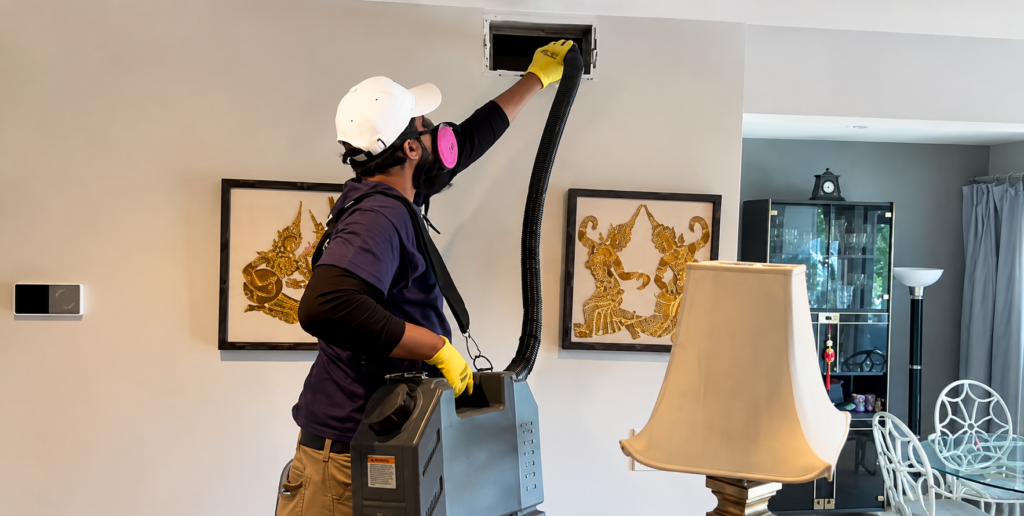
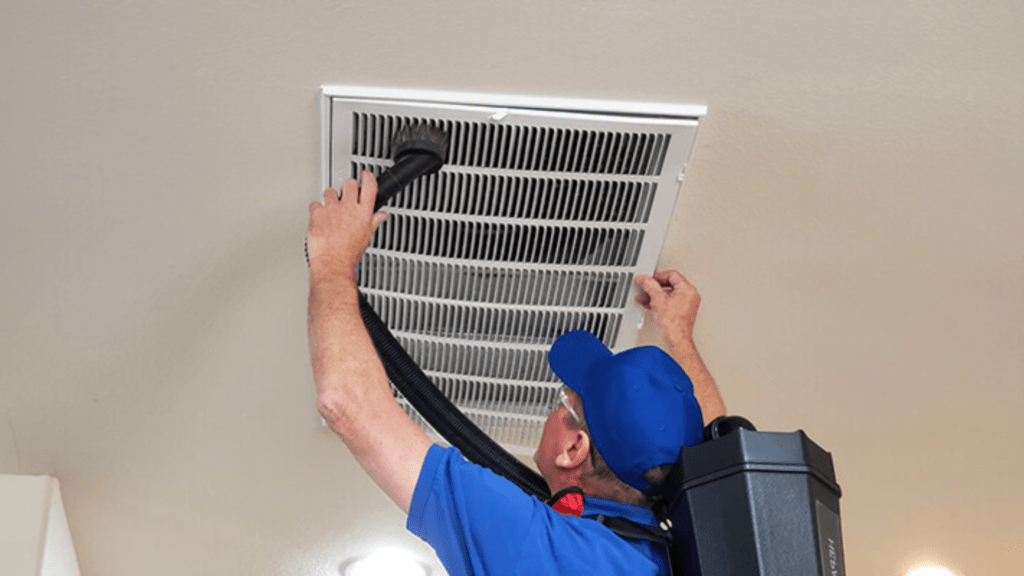
Professional air duct cleaning removes contaminants that standard household cleaning cannot reach. This service helps improve airflow, reduce allergen exposure, and support healthier indoor environments.
Reduces Airborne Allergens
Removing dust, pollen, pet dander, and debris from ductwork helps improve indoor air quality and minimize allergy triggers.
- Fewer allergens circulate through the home.
- Air feels cleaner and fresher.
- Respiratory irritation decreases.
- Allergy sufferers experience greater comfort.
- Indoor environments become healthier.
Improves HVAC Efficiency
Clean ductwork allows your HVAC system to operate more effectively and maintain consistent airflow throughout the home.
- Air moves freely through the system.
- HVAC equipment experiences less strain.
- Energy efficiency improves.
- Heating and cooling performance increases.
- System longevity may improve.
Supports Better Indoor Air Quality
A cleaner HVAC system contributes to a cleaner living environment and helps reduce the concentration of airborne contaminants.
- Dust accumulation decreases.
- Air feels fresher throughout the home.
- Pollutant levels are reduced.
- Occupants enjoy greater comfort.
- Overall wellness improves.
Conclusion
A dirty HVAC system can have a significant impact on your home’s indoor air quality and may contribute to allergy symptoms such as sneezing, congestion, itchy eyes, coughing, and respiratory discomfort. Over time, dust, pollen, pet dander, mold spores, and other airborne contaminants can accumulate inside air ducts, filters, and HVAC components. As the system operates, these allergens continue to circulate throughout your home, increasing exposure and making symptoms worse for allergy sufferers.
Regular HVAC maintenance and professional air duct cleaning can help remove these hidden contaminants, improve airflow, and create a cleaner, healthier indoor environment. By keeping your HVAC system clean, you can reduce allergen buildup, enhance system efficiency, and support better respiratory health for your family.
Ready to improve your indoor air quality? Contact Tiger Elite Duct Cleaners today for professional air duct cleaning services and discover how cleaner ducts can help you breathe easier, feel healthier, and enjoy a more comfortable home year-round.